


When it comes to MMA, training is only one part of the equation. To perform at your best, recover quickly, and build the strength and endurance necessary for those grueling rounds, your diet plays a huge role. The foods you eat before and after training can make or break your performance. In this post, we’ll dive into the best foods and meals that fighters should consume to fuel their bodies for peak performance and speed up recovery. We’ll also explore the importance of macronutrients, hydration, and meal timing for maximum results.
Why Nutrition Matters for MMA Fighters
Before we dive into specifics, let’s talk about why nutrition is so crucial for fighters. MMA demands explosive power, endurance, speed, and mental clarity. Your body needs to be at its absolute best to endure intense training sessions and the physical stress of fight night. Poor nutrition can lead to fatigue, muscle loss, and delayed recovery, making it harder to bounce back from your workouts and achieve your full potential.
A well-balanced diet gives you the energy to power through intense workouts, the protein to rebuild muscle, and the healthy fats to keep your body functioning at its best. If you’re fueling yourself with the right food, your body can go harder, recover faster, and ultimately perform better when it counts.
The Importance of Macronutrients for Fighters
Before we get into specific meal recommendations, let’s break down the three main macronutrients you need to focus on as an MMA fighter:
-
Carbohydrates:
Carbs are your primary source of energy. When you engage in intense physical activity like MMA training, your body relies on glycogen (stored carbs) for fuel. Without enough carbs, you can feel sluggish, experience muscle fatigue, and perform below your best. Fighters should consume complex carbs like whole grains, fruits, and vegetables for a sustained energy release. -
Protein:
Protein is the building block of muscle. After tough workouts, your muscles break down and need protein to repair and rebuild. Consuming an adequate amount of protein is crucial for muscle recovery and growth. Lean meats, fish, eggs, and plant-based sources like legumes and tofu are great options. -
Fats:
Healthy fats are necessary for hormone production, joint lubrication, and brain function. Fats also provide a slow-burning source of energy, which is especially important for long training sessions. Incorporate sources of unsaturated fats like avocados, nuts, seeds, and olive oil into your diet.
What to Eat Before Training: Fuel for Intensity
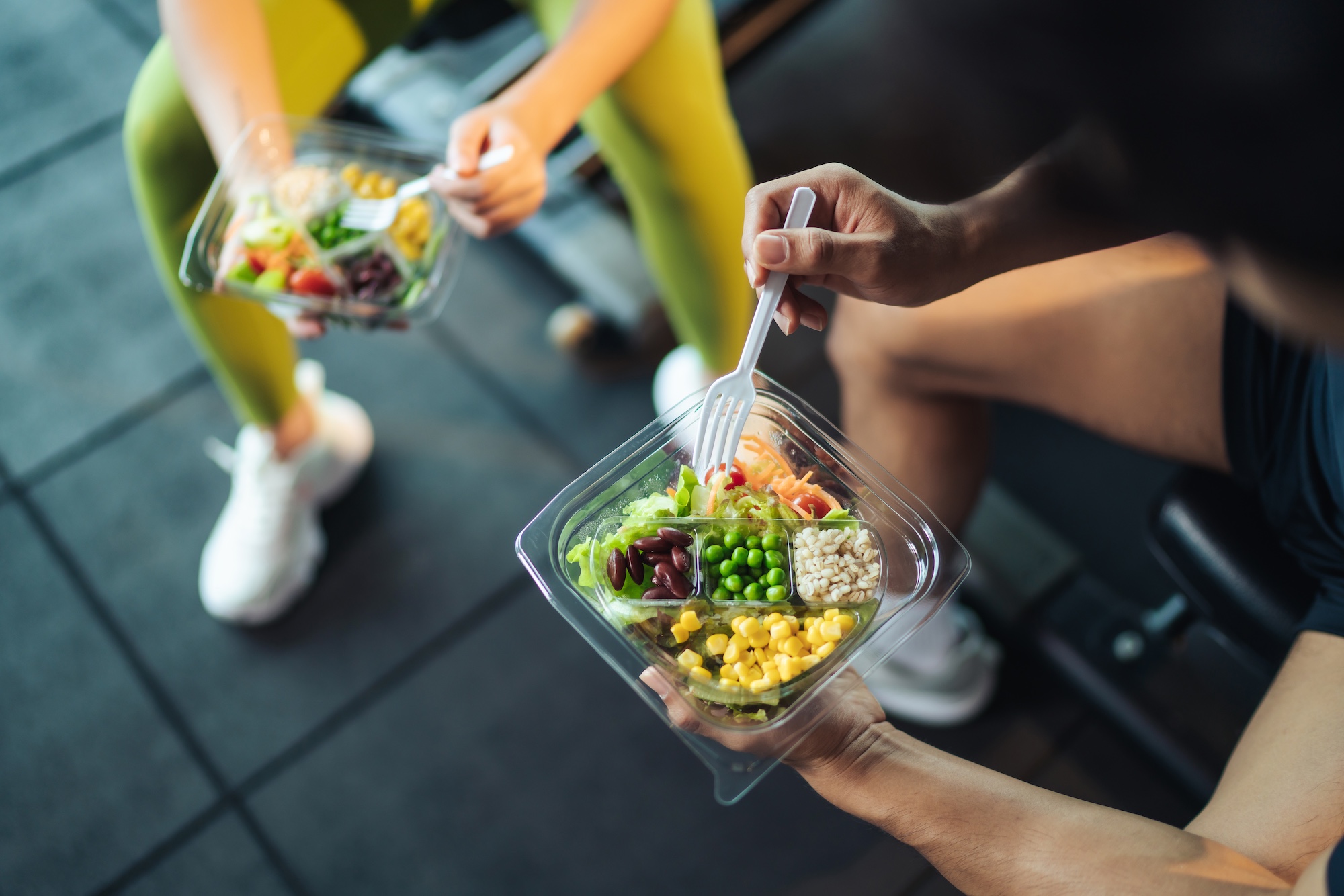
The right pre-training meal can make all the difference in your performance. You want to fuel your body with easily digestible foods that provide quick energy and sustain you through your workout. Timing your pre-workout meal is also important. Ideally, you should eat about 1.5 to 2 hours before training to allow your body to digest and absorb the nutrients.
Pre-Workout Meal (1.5-2 hours before training):
- Carbs: A good source of complex carbohydrates like oatmeal, whole grain toast, or brown rice to give you sustained energy throughout your workout.
- Protein: Include lean protein like chicken breast, turkey, or a scoop of protein powder to help prevent muscle breakdown.
- Fats: A small amount of healthy fats, such as peanut butter or avocado, can help with satiety and provide longer-lasting energy.
Sample Pre-Workout Meal:
- Grilled chicken with quinoa and steamed vegetables
- A banana with a small handful of almonds
Quick Pre-Workout Snack (30-45 minutes before training):
If you’re short on time or need a snack closer to your workout, aim for a combination of simple carbs and a small amount of protein to fuel your body quickly without weighing you down.
Sample Quick Pre-Workout Snack:
- A protein shake with a piece of fruit (like an apple or banana)
- Greek yogurt with honey and granola
What to Eat After Training: Recovery and Rebuilding
After an intense training session, your body is depleted of energy, and your muscles are in need of repair. The goal after training is to refuel your body with the proper nutrients to start the recovery process and maximize muscle growth. Timing your post-workout meal is crucial, ideally within 30-60 minutes after training when your muscles are most receptive to nutrients.
Post-Workout Meal:
- Carbs: After training, your body’s glycogen stores are depleted, so consuming simple carbohydrates can help replenish your energy quickly. Opt for fruits, white rice, or a sweet potato.
- Protein: A good serving of protein (20-30 grams) is essential to kick-start muscle recovery and repair. A high-quality protein source such as lean meats, eggs, or a protein shake will work best.
- Fats: Keep fats moderate post-workout, as they may slow down the digestion of carbohydrates and protein. However, a small serving of healthy fats like olive oil or avocado can still be beneficial.
Sample Post-Workout Meal:
- Grilled salmon with white rice and steamed broccoli
- A protein smoothie with berries, spinach, and almond butter
Hydration: Don’t Forget About Fluids
Hydration is key in every aspect of training and recovery. As you sweat through intense workouts, you lose fluids and electrolytes. Dehydration can negatively impact your performance and recovery, making you feel sluggish and fatigued. Aim to drink plenty of water before, during, and after your training.
Additionally, consider incorporating an electrolyte drink if you’ve been sweating heavily, as it will help replenish lost minerals like sodium, potassium, and magnesium. Coconut water is a great natural option, or you can opt for a sports drink with low sugar content to restore your electrolytes.
Sample Day of Eating for an MMA Fighter
Here’s a simple outline of what a day of eating might look like for an MMA fighter:
- Breakfast: Scrambled eggs with spinach, avocado, and whole grain toast
- Snack: A protein shake with a banana
- Lunch: Grilled chicken breast with quinoa, mixed veggies, and a drizzle of olive oil
- Pre-Workout Snack: Apple with a handful of almonds
- Post-Workout Meal: Salmon with sweet potato and steamed broccoli
- Dinner: Lean beef stir-fry with brown rice and assorted veggies
- Evening Snack: Greek yogurt with honey and chia seeds
Conclusion: Nutrition is Key to Success
Nutrition for MMA fighters isn’t just about what you eat; it’s about timing and making sure you’re giving your body exactly what it needs to perform at its peak and recover efficiently. Focus on fueling your body with the right balance of carbs, protein, and healthy fats, and don’t forget the importance of hydration and proper meal timing. With the right nutrition plan in place, you’ll be able to push harder in your training, recover faster, and ultimately improve your performance in the cage.
If you’re looking to take your MMA training to the next level, remember that nutrition is a crucial part of the process. Stay consistent, plan ahead, and fuel your body right to see the results you’re aiming for!